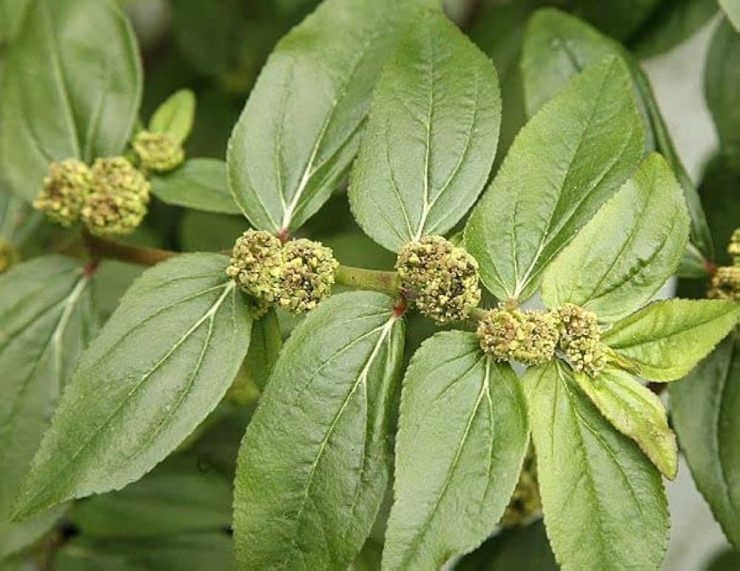
Euphorbia hirta, commonly known as asthma weed, is a small wild plant found in many tropical and subtropical regions. It has a long history of use in traditional herbal practices.
The plant contains several natural compounds, including flavonoids, tannins, polyphenols, and other plant chemicals. Researchers are studying these compounds to understand their possible effects on the human body.
Traditionally, Euphorbia hirta has been used for breathing problems, digestive complaints, skin conditions, and other health concerns. However, most research is still based on laboratory or animal studies. Its benefits and safe dosage have not been established in people.
Let’s explore nine commonly reported traditional uses and what you should know before considering this plant.
9 Traditional Uses and Possible Benefits of Euphorbia Hirta
1. Traditionally Used for Respiratory Problems
Euphorbia hirta is often called asthma weed because of its traditional use for respiratory complaints.
In some herbal practices, it has been used for:
- Coughs and colds
- Bronchitis
- Breathing discomfort
- Asthma-related symptoms
Some laboratory and animal studies have explored its effects on respiratory conditions. However, there is not enough human evidence to show that it opens the airways or treats asthma.
Important: Never replace an asthma inhaler or prescribed treatment with this plant. An asthma attack requires proper medical care.
2. Traditionally Used for Digestive Problems
Another traditional use of Euphorbia hirta is for digestive complaints.
It has been used in some communities for diarrhea, dysentery, and stomach discomfort. Its tannins and other plant compounds are being studied for their possible effects on the digestive system.
However, drinking homemade preparations is not a proven way to treat diarrhea or intestinal infections. Severe diarrhea can lead to dehydration and may require medical treatment.
3. Studied for Wound-Related Properties
Some laboratory studies have investigated the antimicrobial and anti-inflammatory properties of Euphorbia hirta extracts.
These findings have created interest in its traditional use for minor skin problems and wounds. However, they do not prove that applying fresh leaves or plant juice helps wounds heal.
Avoid applying the plant’s milky sap or homemade paste to cuts, burns, or open wounds. The sap may irritate the skin and cause other problems.
4. Traditionally Used for Menstrual Complaints
In traditional herbal practices, Euphorbia hirta has been associated with certain women’s health concerns, including menstrual discomfort and irregular periods.
However, there is not enough reliable clinical research to confirm these effects. Its safety during pregnancy and breastfeeding is also a concern.
Women who are pregnant, breastfeeding, or trying to become pregnant should avoid using this plant internally unless a qualified healthcare professional specifically advises otherwise.
5. Being Studied for Blood Sugar Effects
Some experimental studies have explored whether Euphorbia hirta extracts affect blood glucose levels.
The plant contains antioxidants and other compounds that researchers are investigating for possible metabolic effects. However, these findings do not establish that it controls diabetes or improves insulin sensitivity in people.
People with diabetes should continue their prescribed medication, diet, and monitoring plan rather than relying on herbal preparations.
6. Traditionally Used for Urinary Complaints
Some traditional herbal systems have used Euphorbia hirta for urinary discomfort and related complaints.
Its plant extracts have also been studied for possible biological activities. However, there is no good clinical evidence that it treats urinary tract infections or safely removes bacteria from the urinary system.
A suspected UTI should be assessed by a healthcare professional. Untreated infections can spread to the kidneys.
7. Contains Compounds With Antioxidant Activity
Euphorbia hirta contains flavonoids, tannins, and other plant compounds that have shown antioxidant activity in laboratory research.
Antioxidants help protect cells from oxidative damage. This is one reason researchers are interested in the plant.
However, drinking its tea has not been proven to boost immunity or prevent infections.
8. Studied for Fever and Inflammation
Traditional herbal practices have also used Euphorbia hirta for fever and inflammatory complaints.
Some experimental research has examined its possible anti-inflammatory and fever-related effects. More human studies are needed to understand whether these effects are useful or safe.
A high fever, persistent fever, or fever with serious symptoms should not be managed with an untested herbal remedy.
9. Traditionally Used for Skin Problems
Euphorbia hirta has a history of traditional use for certain skin complaints, including rashes and other minor skin conditions.
Researchers have investigated some of its plant extracts for antimicrobial and anti-inflammatory activity. However, this does not mean that fresh plant juice or leaf paste is a safe acne, eczema, or fungal infection treatment.
The plant’s milky sap can cause skin irritation. It is best to avoid applying it directly to the face or affected skin.
How to Prepare Euphorbia Hirta Tea: Important Safety Information
Euphorbia hirta is sometimes prepared as a traditional herbal tea or decoction. However, there is no established safe home recipe or reliable daily dose for drinking it.
For this reason, I do not recommend providing a drinking recipe or instructions for regular consumption. The plant may cause unwanted reactions, and its safety in people is not well understood.
If you are interested in using it for a health concern, speak with a qualified healthcare professional or pharmacist first. Do not experiment with concentrated extracts, powders, or homemade decoctions.
How to Handle Euphorbia Hirta Safely
If you are collecting or handling this plant for identification or educational purposes, follow these precautions:
- Identify it correctly: Do not collect a wild plant based only on its common name. Several plants can look similar.
- Wear gloves: Use gloves when handling the plant to reduce contact with its milky sap.
- Avoid touching your face: Do not touch your eyes, mouth, or nose while handling it.
- Keep it away from children and pets: Do not leave fresh plant parts where they can be eaten accidentally.
- Wash your hands: Clean your hands and any tools after handling the plant.
- Avoid homemade skin treatments: Do not apply its sap or crushed leaves to wounds, eyes, or irritated skin.
Important Safety Precautions
Although Euphorbia hirta has a history of traditional use, natural does not always mean safe.
- Pregnancy and breastfeeding: Avoid taking it internally because its safety has not been established.
- Stomach problems: It may cause nausea, vomiting, or digestive irritation.
- Skin reactions: Its milky sap can cause redness, irritation, and contact dermatitis.
- Eye exposure: Contact with the sap can seriously irritate the eyes and may damage the cornea.
- Medication use: Speak with a healthcare professional before considering any concentrated herbal product.
- Children: Do not give Euphorbia hirta preparations to children without specialist medical advice.
If the sap gets into your eyes, rinse them immediately with plenty of clean water and seek urgent medical attention. If someone swallows the plant and develops symptoms, contact a healthcare professional or poison service promptly.
Frequently Asked Questions
1. What is Euphorbia hirta commonly called?
It is commonly known as asthma weed, asthma plant, and garden spurge.
2. Why is Euphorbia hirta called asthma weed?
The name comes from its traditional use for breathing complaints. However, it has not been proven to treat asthma in humans.
3. What compounds are found in Euphorbia hirta?
Research has identified flavonoids, tannins, polyphenols, and other plant compounds.
4. Can Euphorbia hirta cure asthma?
No. There is not enough clinical evidence to show that it cures or controls asthma. People with asthma should follow their prescribed treatment.
5. Can I drink Euphorbia hirta tea every day?
Daily consumption is not recommended. A safe dose and long-term safety have not been established.
6. Can I apply Euphorbia hirta directly to my skin?
It is better to avoid direct application. Its milky sap can cause skin irritation, and homemade preparations have not been proven safe for treating skin conditions.
7. Is Euphorbia hirta safe during pregnancy?
Its safety during pregnancy has not been established. Avoid internal use and consult a healthcare professional.
Final Thoughts
Euphorbia hirta is an interesting plant with a long history in traditional herbal medicine. Its natural compounds have attracted scientific attention, especially for their possible antioxidant, antimicrobial, and anti-inflammatory activities.
However, traditional use and laboratory findings are not the same as proven medical benefits. More research is needed to understand its effectiveness, correct dosage, and safety in humans.
If you come across asthma weed in your garden or nearby fields, learn to identify it correctly and handle it carefully. Most importantly, do not use it as a replacement for proper medical treatment.