Common Mallow Leaf Jelly: How to Make This Traditional Wild Plant Recipe
Many people see common mallow growing in gardens, lawns, and open fields and mistake it for an ordinary weed. However, this little-known plant has a long history of use in traditional cooking and herbal preparations.
Common mallow has soft, rounded leaves that contain natural mucilage. This substance becomes slippery and gel-like when mixed with water. It is also responsible for the thick texture that makes mallow useful in soups, sauces, and homemade plant-based preparations.
For generations, people in different parts of Europe, Asia, and the Mediterranean have used mallow leaves in traditional foods and soothing herbal drinks. One interesting way to prepare the leaves is by turning them into homemade jelly.
This recipe gives you two options: a firm jelly that can be cut into cubes and a soft, cold-infused gel that keeps the preparation simple. Both methods use fresh leaves and basic kitchen ingredients.
Before harvesting any wild plant, make sure you have identified it correctly and that it comes from a clean, safe growing area.
What Is Common Mallow?
Common mallow is a wild flowering plant that belongs to the Malvaceae family. Its botanical name is Malva neglecta. Another popular relative is Malva sylvestris, often called high mallow or wood mallow.
These plants are found in many parts of the world and are known for their rounded leaves, delicate flowers, and distinctive seed pods.
Mallow leaves contain natural mucilage, a plant substance that absorbs water and creates a soft, slippery texture. This is why cooked mallow leaves can thicken soups and why their water extracts can be used to prepare gel-like foods.
The flavour is generally mild and slightly green, making the leaves suitable for different recipes.
Two Common Types of Mallow
Two species are especially well known among gardeners and wild-food enthusiasts.
1. Common Mallow (Malva neglecta)
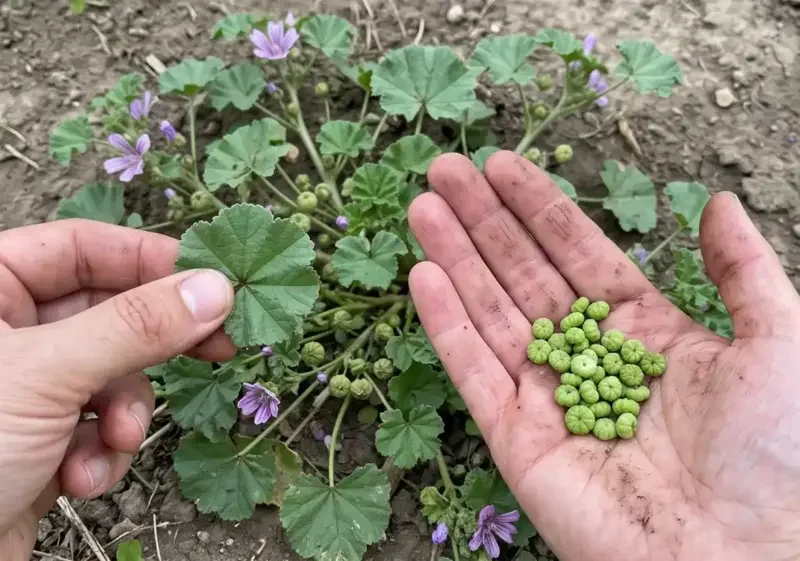
<escape>Malva neglecta</escape> is a low-growing plant that often spreads close to the ground. It is commonly found in gardens, lawns, roadsides, and open spaces.
Its main features include:
- Rounded green leaves with softly scalloped edges
- Small white, pale pink, or light purple flowers
- A spreading growth habit
- Flat, round seed pods that resemble small wheels of cheese
These seed pods are the reason the plant is sometimes called cheeseweed.
2. High Mallow or Wood Mallow (Malva sylvestris)
<escape>Malva sylvestris</escape> usually grows taller than common mallow. It can reach around two to four feet in height when growing conditions are suitable.
You can recognize it by:
- Larger leaves with several rounded lobes
- Pink or purple flowers with darker veins
- Upright stems
- Round seed pods similar to those of other mallow species
Both plants belong to the same botanical family as okra and hibiscus. Their leaves contain mucilage, which gives them their characteristic slippery texture.
Important: These species should not be assumed to be interchangeable until their identities have been confirmed. If you are new to foraging, ask an experienced local botanist or plant expert to check the plant before eating it.
What Is Common Mallow Leaf Jelly?
Common mallow leaf jelly is a homemade preparation made by extracting the natural gel-like substance from fresh leaves.
When mallow leaves are crushed, blended, or soaked in water, they release mucilage. The resulting liquid can become thick and slippery, even without adding a commercial thickener.
There are two main ways to prepare it.
Cold-Infused Mallow Gel: This version is made by soaking fresh leaves in water. It produces a soft, slippery liquid that can be used in small amounts in food or as a simple plant-based gel.
Sliceable Mallow Jelly: This version combines the leaf extract with agar-agar, a plant-based setting ingredient. It creates a firmer jelly that can be chilled and cut into cubes.
The natural flavour of mallow is mild, so you can make it sweet with honey or maple syrup, or keep it plain for savoury dishes.
Traditional Uses and Nutritional Properties of Mallow Leaves
Mallow has been used in traditional food and herbal practices for many years. Its leaves contain plant mucilage, fibre, and various naturally occurring plant compounds.
Here are some properties that make this plant interesting.
1. Contains Natural Mucilage
Mallow leaves are known for their mucilage content. When mixed with water, this substance forms a slippery gel.
This texture is one reason mallow has traditionally been used in soothing food preparations and herbal drinks.
2. Traditionally Used for Throat Comfort
Mallow has a history of traditional use in preparations for dry, irritated throats. Its soft, slippery texture may provide temporary soothing comfort.
However, homemade mallow jelly has not been proven to treat persistent coughs, infections, or throat diseases.
3. Contains Plant Fibre
Mallow leaves contain dietary fibre, which is an important part of a healthy eating pattern. Fibre supports normal digestion and helps maintain regular bowel movements.
The actual amount of fibre in homemade strained jelly will depend on how it is prepared. Much of the solid plant material is removed during straining.
4. Provides Naturally Occurring Plant Compounds
Mallow leaves contain different plant compounds, including flavonoids and phenolic compounds. These substances have been studied for their antioxidant properties.
However, more research is needed to understand the effects of eating mallow preparations on human health.
5. Traditionally Used in Skin Preparations
Some traditional herbal practices use mallow leaf preparations externally for dry or irritated skin. The gel-like texture may feel cooling when applied to the skin.
Always test a small area first, and avoid applying homemade preparations to open wounds or infected skin.
6. Can Be Used as a Wild Food
Young, correctly identified mallow leaves can be used in some traditional dishes. They may be cooked in soups, added to vegetable dishes, or prepared as part of other recipes.
Only harvest leaves from areas that are known to be free from chemical contamination.
How to Identify and Harvest Mallow Leaves Safely
If you want to prepare mallow jelly at home, choosing healthy leaves is an important first step.
Choose Healthy, Young Leaves
Look for fresh green leaves that are soft and free from visible damage. Young leaves are generally more tender and easier to prepare.
Avoid leaves that are yellow, wilted, mouldy, or heavily damaged by insects.
Check the Underside of the Leaves
Mallow plants can develop a fungal disease known as mallow rust. It may appear as orange, brown, or rusty-coloured spots on the underside of the leaves.
Do not use leaves showing signs of disease.
Avoid Polluted Areas
Never collect wild mallow from places where it may have been exposed to harmful substances.
Avoid harvesting near:
- Busy roads and highways
- Industrial areas and factories
- Parking areas
- Places where animals frequently leave waste
- Fields treated with pesticides or herbicides
- Areas with unknown soil contamination
Some plants can absorb contaminants from their growing environment. Washing the leaves does not reliably remove heavy metals or chemical residues.
Harvest at the Right Time
Fresh mallow leaves can be collected during the growing season when the plant is healthy. Spring and early summer often provide plenty of tender growth.
Take only what you need and leave enough leaves for the plant to continue growing.
Identify the Plant Correctly
Never eat a wild plant based only on a photograph or a general description. Check several identifying features, including the leaf shape, flowers, stems, and seed pods.
If you are unsure, do not harvest or consume it.
Recipe 1: Homemade Sliceable Mallow Leaf Jelly
<text> <escape> </escape> </text>
This version uses agar-agar to create a firm jelly that can be cut into small cubes. It has a mild flavour and can be served as a dessert or used in savoury dishes.
Ingredients
- 120 g fresh mallow leaves (about 4 tightly packed cups), tough stems removed
- 1 litre drinking water, divided
- ¼ teaspoon baking soda for washing
- 8 g agar-agar powder (approximately 1 level tablespoon, depending on the product)
- 2 tablespoons raw honey or maple syrup, optional
- 1 tablespoon fresh lemon juice, optional
Instructions
Step 1: Clean the Leaves
Place the fresh leaves in a large bowl of clean water. Gently move them around to loosen dirt and dust.
Rinse them thoroughly under running water. Remove any tough stems and damaged leaves. Baking soda is not necessary for cleaning, so plain drinking water is sufficient.
Step 2: Briefly Blanch the Leaves
Bring a saucepan of water to a boil. Add the clean mallow leaves for about 10–15 seconds.
Remove them immediately and transfer them to a bowl of cold water to stop the cooking process. Drain well.
Step 3: Blend the Leaves
Place the blanched leaves in a blender with 750 ml (3 cups) of clean drinking water.
Blend for about one minute or until the mixture becomes smooth and evenly combined.
Step 4: Strain the Mixture
Place a fine-mesh strainer or clean cheesecloth over a large bowl.
Pour the blended mixture through it. Press the pulp gently with a spoon or clean hands to collect the liquid.
Discard the remaining solid fibres.
Step 5: Prepare the Agar-Agar
Pour the remaining 250 ml (1 cup) of water into a small saucepan.
Add the agar-agar powder and stir until it is evenly mixed. Bring the liquid to a boil while stirring continuously. Follow the package instructions to make sure the agar is fully dissolved, as it usually needs boiling to activate properly.
Step 6: Combine the Ingredients
Once the agar mixture is ready, remove it from the heat. Slowly add the strained mallow liquid while stirring continuously.
Add honey or maple syrup if you want a sweeter jelly. Mix in the lemon juice as well, if using.
Step 7: Pour and Chill
Pour the mixture into a clean glass dish or individual moulds.
Allow it to cool until it begins to set, then place it in the refrigerator until firm. Once completely chilled, cut it into small cubes or slices.
The final texture will depend on the agar brand, concentration, and amount of liquid. Follow the manufacturer’s instructions if your mixture does not set properly.
Recipe 2: Cold-Infused Mallow Leaf Gel
This second method does not require cooking or agar-agar. It uses a simple overnight soaking process to extract the natural mucilage from the leaves.
Ingredients
- 2 cups fresh young mallow leaves, thoroughly washed
- 2 cups (500 ml) cool drinking water
Instructions
Step 1: Prepare the Leaves
Wash the leaves carefully and remove any damaged parts or tough stems.
Chop or tear the leaves into smaller pieces. This helps release their natural mucilage during soaking.
Step 2: Gently Crush the Leaves
Place the chopped leaves in a clean glass jar.
Use the back of a wooden spoon to gently press and bruise them for about one minute. This helps break down the leaves and release their contents.
Step 3: Add the Water
Pour the cool drinking water over the leaves. Close the jar with a clean lid and shake gently to combine everything.
Step 4: Refrigerate Overnight
Place the jar in the refrigerator for 8–12 hours.
During this time, the water may become thicker and slightly slippery as the leaves release their mucilage.
Step 5: Strain the Gel
The next day, pour the mixture through a clean fine-mesh strainer or cheesecloth.
Gently press the leaves to collect the liquid. Transfer the strained gel into a clean, covered container and keep it refrigerated.
This is a fresh, perishable preparation rather than a tested medicinal product. Make a small batch and discard it if its smell, colour, or appearance changes.
Ways to Use Homemade Mallow Jelly
Once your preparation is ready, you can use it in different ways depending on which version you made.
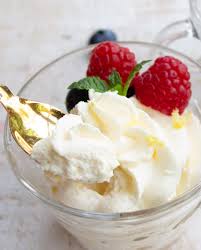
1. Serve It as a Simple Dessert
Cut the firm jelly into small cubes and place them in a serving bowl.
You can add:
- Fresh strawberries or blueberries
- Chilled coconut milk
- A little honey or maple syrup
- Fresh mint leaves
- A small amount of fruit syrup
These additions give the jelly extra flavour and make it more enjoyable.
2. Add It to Cold Drinks
Small cubes of firm mallow jelly can be added to homemade lemonade, iced herbal tea, or fruit drinks.
They create an interesting texture and make a simple beverage feel a little different.
3. Prepare a Savoury Side Dish
The plain jelly has a mild flavour, so it can also be used in a savoury serving bowl.
Try combining small cubes with finely chopped cucumber, a little olive oil, apple cider vinegar, and a pinch of salt.
4. Try the Cold Gel in Food
The unsweetened cold-infused preparation can be added in small amounts to suitable recipes if you enjoy its slippery texture.
Remember that it is not a proven treatment for stomach problems, coughs, or other medical conditions.
5. Use Caution With External Skin Applications
Traditional practices sometimes use mallow preparations on the skin for a cooling sensation.
However, homemade leaf gel is not sterile. Do not apply it to burns, open wounds, broken skin, or infected areas. Stop using it if irritation develops.
Storage Instructions
Homemade mallow jelly contains fresh plant material and water, so it needs careful storage.
Refrigerator: Transfer the finished preparation to a clean, covered container and refrigerate it promptly at 4°C (40°F) or below. As a cautious home-preparation guideline, use it within 3–4 days. Discard it sooner if anything seems unusual.
Freezing: Agar-based jelly may change texture after freezing and thawing, so freezing is not recommended if you want to keep its original consistency.
The cold-infused gel can be frozen in small portions, but freezing does not make it sterile or turn it into a tested skincare product. Thaw portions in the refrigerator and discard any that show signs of spoilage.
Important Safety Precautions
Although some mallow species have a history of use as food, wild plant preparations still require care.
1. Confirm the Plant’s Identity
This is the most important step. Never eat a wild plant unless you are confident about its identification.
Use a reliable botanical guide or ask an experienced local plant expert to confirm the species.
2. Be Careful Around Medications
Mallow contains mucilage, which may affect how some substances are absorbed. There is not enough reliable evidence to establish an exact waiting period for every medication.
If you take prescription medicines or supplements, ask a pharmacist or healthcare professional whether you should separate them from mallow preparations.
3. Start With a Small Food Portion
If you have never eaten mallow before, begin with a small culinary amount. Like other high-fibre plant foods, it may cause bloating or digestive discomfort in some people.
Drink enough water throughout the day.
4. Check for Allergic Reactions
Avoid mallow if you have a known allergy to it. If you notice itching, swelling, a rash, or breathing difficulty after exposure, stop using it and seek appropriate medical help. Breathing difficulty or swelling of the face or throat requires emergency care.
5. Take Extra Care During Pregnancy and Breastfeeding
There is limited reliable safety information about concentrated mallow gels and medicinal preparations during pregnancy and breastfeeding. Speak with a healthcare professional before using them for medicinal purposes.
6. Keep Food Preparation Hygienic
Use clean utensils, drinking-quality water, fresh leaves, and clean storage containers. Refrigerate the finished preparation promptly and never consume it if you suspect contamination or spoilage.
Frequently Asked Questions
1. Can you eat common mallow leaves?
Certain correctly identified mallow species, including Malva neglecta and Malva sylvestris, have a history of use as food. Young leaves are sometimes cooked in soups and vegetable dishes. Correct identification and safe harvesting are essential.
2. Why do mallow leaves become slippery?
Mallow leaves contain natural mucilage. When the leaves are crushed or soaked in water, this substance creates a thick, slippery texture.
3. Do I need agar-agar to make mallow jelly?
No. Agar-agar is only needed if you want a firm jelly that can be sliced into cubes. Without it, the natural extract usually produces a softer, gel-like liquid.
4. Can I use dried mallow leaves?
Fresh leaves are generally easier to use for these recipes. Dried leaves may release mucilage when soaked, but the quantity and texture can vary. The recipes above are designed for fresh leaves.
5. Can I add honey to mallow jelly?
Yes. Honey or maple syrup can be added to the sliceable version for sweetness. You can also leave out sweeteners if you prefer a plain preparation.
6. How long does homemade mallow gel last?
Keep it in a clean, covered container in the refrigerator and use it within 3–4 days as a cautious guideline. Always discard it if you notice an unusual smell, colour, or appearance.
7. Does mallow jelly cure acid reflux or constipation?
No. There is not enough strong clinical evidence to say that homemade mallow jelly cures these conditions. It should not replace medical advice, prescribed medicines, or established treatment.
Final Thoughts
Common mallow is an interesting wild plant that deserves more attention than it often receives. Its soft leaves, mild flavour, and natural mucilage make it useful in traditional cooking and simple homemade preparations.
With a little care, you can turn correctly identified fresh leaves into a soft cold-infused gel or a firm jelly made with agar-agar. Both methods offer a different way to explore this traditional plant.
Always harvest from clean areas, confirm the plant’s identity, and prepare it with proper kitchen hygiene. Enjoy mallow as a traditional food ingredient, not as a replacement for medical treatment.
Disclaimer: This article is for educational and culinary information only. It does not provide medical advice or promise to prevent, treat, or cure any disease. Evidence for the medicinal effects of homemade mallow preparations in humans is limited. Consult a qualified healthcare professional before using concentrated herbal preparations, particularly if you take medication, have a medical condition, or are pregnant or breastfeeding. Wild plants should only be eaten after accurate identification and careful assessment of their growing environment.