
Herbal Infused Oil: A Simple Recipe for Everyday Wellness
Herbal infused oil is an easy way to add flavor and variety to everyday meals. Made by combining a carrier oil with herbs and spices, it can bring a fresh aroma and rich taste to vegetables, salads, soups, and other savory dishes.
Herbs such as rosemary, thyme, and oregano are popular choices because they have strong flavors and are easy to use in cooking. Olive oil is another common option because it works well in dressings and many everyday recipes.
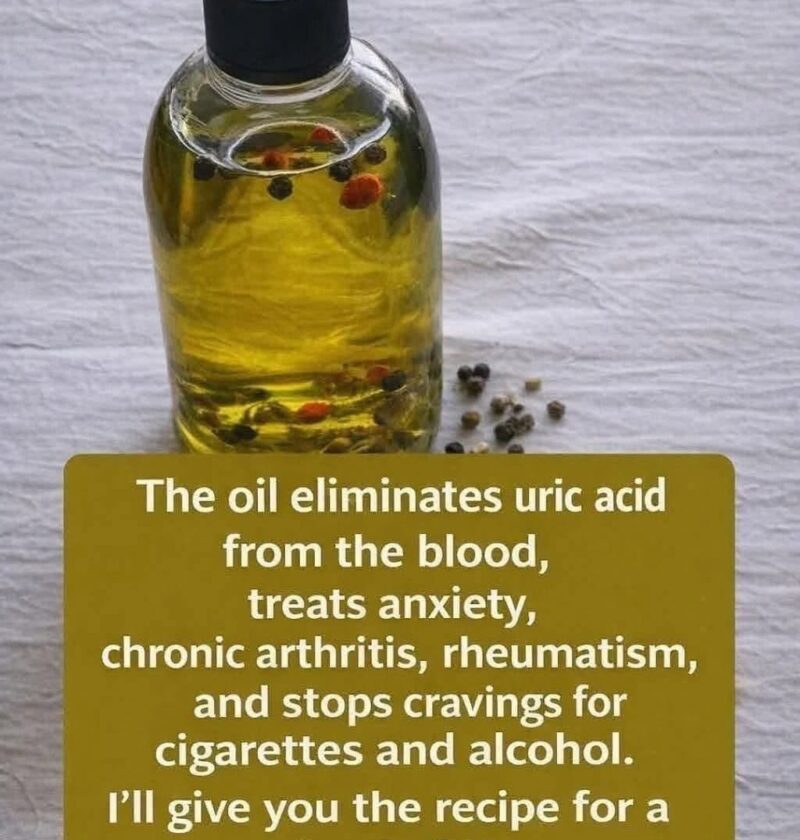
However, some online posts claim that herbal oils can remove uric acid from the blood, cure arthritis, treat anxiety, or stop cigarette and alcohol cravings. These claims are not supported by reliable evidence. Herbal infused oil should be enjoyed mainly as a culinary ingredient, not as a replacement for medical treatment.
In this article, you will learn how to prepare a simple herbal infused oil, how to use it, and what to know about its nutritional value and safety.
What Is Herbal Infused Oil?
Herbal infused oil is a vegetable oil that takes on some of the flavor and aroma of herbs or spices. Common choices include olive oil, rosemary, thyme, oregano, and dried chili.
The oil absorbs some flavor compounds from the ingredients, creating a fragrant mixture that can make ordinary meals more enjoyable.
Infused oils are commonly used for:
- Salad dressings and marinades
- Roasted vegetables
- Soups and cooked grains
- Bread dipping
- Adding flavor to beans and other savory dishes
Remember that culinary infused oils are different from essential oils. Essential oils are highly concentrated products and should not be treated as interchangeable with ordinary cooking oils.
Simple Homemade Herbal Infused Oil Recipe
This recipe uses dried culinary herbs and is intended for flavoring food.
Ingredients
- 1 cup (240 ml) extra-virgin olive oil
- 1 teaspoon dried rosemary
- 1 teaspoon dried thyme
- 1 teaspoon dried oregano
- A clean, completely dry glass container
You can adjust the herbs to suit your taste. Use only clearly identified, food-grade ingredients.
Instructions
- Prepare the container. Wash the glass container and let it dry completely.
- Add the herbs. Place the dried rosemary, thyme, and oregano in the container.
- Pour in the oil. Add the olive oil and gently stir with a clean, dry utensil.
- Mix gently. Allow the herbs to distribute throughout the oil.
- Use for flavor. Add a small amount to salad dressings, cooked vegetables, or other dishes.
For safety, do not assume that homemade oil is safe for room-temperature storage just because dried herbs are used. Follow a tested food-safety method for preparation and storage, and avoid keeping homemade infused oil for extended periods without validated guidance. When in doubt, prepare a small amount for immediate use.
Important: Never use fresh garlic or fresh herbs in homemade oil intended for room-temperature storage. Moist plant material can create conditions that allow the bacteria responsible for botulism to grow. Refrigeration alone does not make an untested recipe safe for long-term storage.
Herbal Infused Oil Nutritional Chart
The nutritional values below are approximate estimates for the olive oil itself. The exact values will depend on the oil brand, the quantity used, and how much oil is consumed.
Estimated Nutrition Per 1 Tablespoon (15 ml)
| Nutrient | Approximate amount |
|---|---|
| Calories | 119 kcal |
| Total fat | 13.5 g |
| Saturated fat | 1.9 g |
| Monounsaturated fat | 9.9 g |
| Polyunsaturated fat | 1.4 g |
| Carbohydrates | 0 g |
| Sugars | 0 g |
| Protein | 0 g |
| Fiber | 0 g |
| Sodium | 0 mg |
These estimates are for olive oil without added salt. Small amounts of flavor compounds may transfer from the herbs, but their nutritional contribution is usually minimal. The figures are not laboratory-tested values for the finished infused oil.
What Are the Potential Benefits?
Herbal infused oil can fit into a balanced diet, particularly when used to add flavor to nutritious meals.
1. Adds Flavor to Healthy Meals
Rosemary, thyme, and oregano provide distinctive flavors. Using herbs and spices can make vegetables, beans, and whole grains more appealing without needing large amounts of added salt.
2. Provides Unsaturated Fats
Olive oil contains mainly monounsaturated fat. Replacing some sources of saturated fat with unsaturated fats can support heart health as part of an overall balanced eating pattern.
However, olive oil is calorie-dense, so portion size still matters.
3. Makes Everyday Cooking More Enjoyable
A small drizzle of herb-infused oil can add aroma and flavor to roasted vegetables, salads, and cooked meals. Enjoying nutritious foods regularly is more useful than relying on one ingredient as a supposed cure.
Can Herbal Infused Oil Lower Uric Acid?
There is no reliable evidence that this homemade oil removes uric acid from the blood.
Uric acid forms when the body breaks down substances called purines. When uric acid levels become too high, some people develop gout, a condition that can cause sudden and painful joint inflammation.
Management may involve prescribed medication, dietary adjustments, and other measures recommended by a healthcare professional. Herbal infused oil should not replace these treatments.
Can It Treat Arthritis or Anxiety?
There is insufficient evidence that a homemade herbal oil can cure arthritis, rheumatism, or anxiety.
Some herbs contain compounds that researchers have studied for possible biological effects. However, laboratory findings do not establish that eating an infused oil treats chronic pain or mental health conditions.
Persistent joint pain, swelling, or anxiety deserves appropriate medical attention. Proven treatments and professional support are more reliable than unverified home remedies.
Can It Stop Cigarette or Alcohol Cravings?
No reliable evidence shows that herbal infused oil can eliminate nicotine or alcohol cravings.
People who want to stop smoking can benefit from behavioral support and, when appropriate, approved medicines or nicotine replacement products. People struggling with alcohol use can also receive professional support and evidence-based treatment.
For someone who may be physically dependent on alcohol, suddenly stopping can be dangerous. Medical advice can help them reduce risks and choose a safe plan.
How to Use Herbal Infused Oil
Try these simple ideas:
- Drizzle a small amount over roasted vegetables.
- Mix it with vinegar or lemon juice for a salad dressing.
- Add it to cooked beans or whole grains.
- Use it to flavor soups after cooking.
- Serve a small amount alongside bread as a dipping oil.
Use a moderate portion because oil contains many calories in a small volume.
Frequently Asked Questions
Can herbal infused oil cure gout?
No. There is no reliable evidence that it removes uric acid or treats gout.
Can I drink herbal infused oil for health benefits?
It is best used as a cooking ingredient rather than consumed in large amounts as a remedy. Concentrated herbal products may also interact with some medicines.
Can I use fresh garlic in this recipe?
Do not add fresh garlic to oil intended for room-temperature storage. Improperly prepared garlic-in-oil mixtures can cause botulism, a serious form of food poisoning. Use a tested food-safety recipe if preparing garlic-infused oil.
Is herbal infused oil healthy?
Olive oil provides unsaturated fats and can be part of a balanced diet. However, it is calorie-dense, and the addition of herbs does not turn it into a proven medicinal treatment.
How much should I use?
A small amount, such as one tablespoon in a meal, is a practical serving to consider. Your overall calorie needs and dietary requirements may differ.
Final Thoughts
Herbal infused oil is a simple way to bring the flavors of rosemary, thyme, oregano, and other culinary herbs into everyday cooking. When made with appropriate ingredients and handled safely, it can add variety to a balanced diet.
However, claims that it cures arthritis, removes uric acid, treats anxiety, or stops cigarette and alcohol cravings are not supported by reliable evidence.
Enjoy this recipe for its flavor, use moderate portions, and follow safe preparation and storage practices. For ongoing health concerns, rely on qualified medical advice and evidence-based treatment rather than a homemade oil.