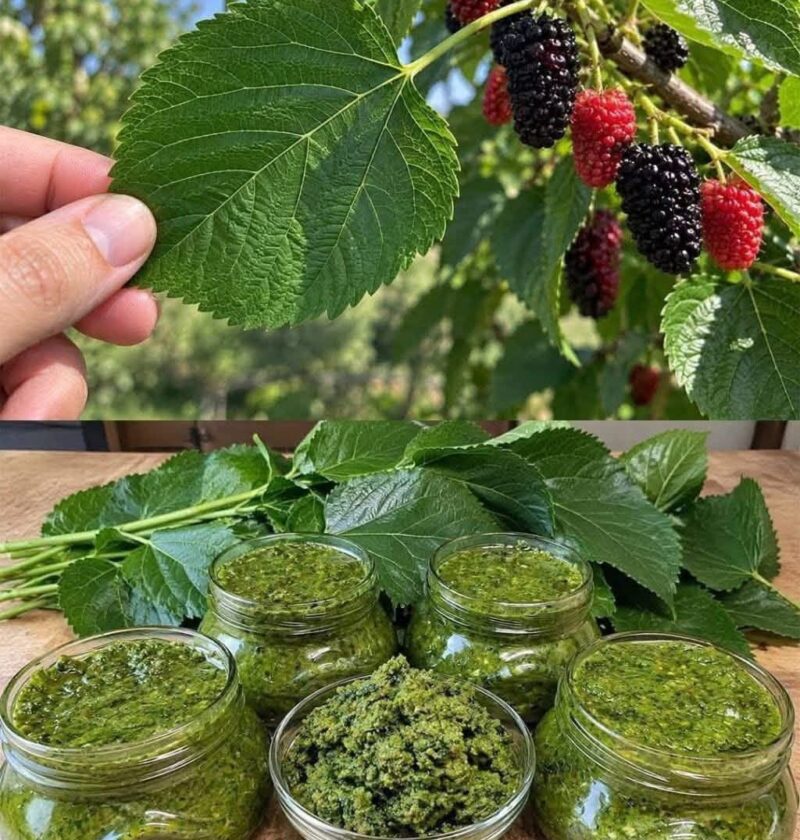
Mulberry trees are famous for their sweet, juicy berries, but their green leaves have also been used in traditional practices for many years. Today, researchers are studying mulberry leaves because they contain natural plant compounds, including antioxidants and a compound called 1-deoxynojirimycin (DNJ).
Mulberry leaves are commonly used to prepare herbal tea and can also be cooked or added to certain foods. Some studies suggest they may help support healthy blood sugar levels, but more research is needed to understand their long-term effects.
Let’s explore the potential benefits of mulberry leaves, simple ways to use them, and important safety tips.
Potential Health Benefits of Mulberry Leaves
1. May Help Support Healthy Blood Sugar Levels
Mulberry leaves contain DNJ, a natural compound that can slow the breakdown of certain carbohydrates in the digestive system. Research suggests this may help reduce the rise in blood sugar after meals.
However, the effect can vary from person to person. Mulberry leaves should not replace diabetes medication or a balanced eating plan.
2. Contain Antioxidants
Mulberry leaves contain plant compounds such as flavonoids and other antioxidants. These compounds are studied for their role in protecting cells against oxidative stress.
Eating a varied diet rich in vegetables, fruits, and other plant foods is another practical way to obtain antioxidants.
3. May Support Heart Health
Some early research suggests that mulberry leaf preparations may have beneficial effects on blood lipid levels and other markers of metabolic health. However, the evidence is not strong enough to claim that mulberry leaves reliably lower cholesterol or prevent heart disease.
For heart health, regular physical activity, a balanced diet, and appropriate medical care remain important.
4. Provide Useful Plant Nutrients
Mulberry leaves contain various nutrients and plant compounds. Their nutritional content depends on the variety of mulberry, growing conditions, and how the leaves are prepared.
Cooked leaves may be used as a leafy vegetable, but their nutrient content should not be assumed to meet specific daily nutritional needs without reliable measurements.
5. May Support Digestive Health
Mulberry leaves contain plant material and fiber, although the amount you receive depends on whether you eat the leaves or drink strained tea.
Eating properly prepared leaves as part of a varied diet can contribute to your overall fiber intake. There is not enough evidence to say that mulberry leaf tea treats digestive disorders.
6. Possible Skin Benefits
Mulberry extracts are sometimes studied and used in skincare products. However, there is limited evidence that homemade mulberry leaf tea can treat acne, rashes, or dark spots.
If you want to try a new plant-based skin product, test a small area first and stop using it if irritation develops. Avoid applying homemade preparations to broken or infected skin.
Five Simple Ways to Use Mulberry Leaves
1. Mulberry Leaf Tea
A simple way to enjoy mulberry leaves is to prepare them as an herbal infusion.
Ingredients
- 1–2 teaspoons of dried mulberry leaves
- 1 cup of hot water
Instructions
- Place the dried leaves in a clean mug.
- Pour hot water over them.
- Cover and steep for 5–10 minutes.
- Strain the tea and allow it to cool to a comfortable temperature.
Start with a small serving, and avoid assuming that drinking it before meals will prevent blood sugar spikes. Research findings on specific mulberry preparations may not apply to every homemade tea.
2. Cooked Mulberry Leaves
In some cuisines, mulberry leaves are prepared as leafy greens.
Ingredients
- A handful of correctly identified, food-safe mulberry leaves
- 1 teaspoon olive oil
- 1 small garlic clove, chopped
- A little salt, if desired
Instructions
- Wash the leaves thoroughly under running water.
- Remove tough stems.
- Boil the leaves until tender, then drain them.
- Heat the olive oil in a pan and cook the garlic briefly.
- Add the leaves and sauté for a few minutes until fully cooked.
Only eat leaves that have been positively identified as edible mulberry leaves and sourced from an area free of harmful pesticides and contamination.
3. Mulberry Leaf Powder
Dried mulberry leaves can be ground into powder, but food safety and proper drying are important.
Instructions
- Wash correctly identified leaves thoroughly.
- Dry them using a suitable food dehydrator according to its instructions.
- Ensure the leaves are completely dry before grinding.
- Grind into a fine powder using a clean grinder.
- Store in a clean, airtight container in a cool, dry place.
If you plan to use the powder in smoothies, oatmeal, or soups, begin with a small amount. Homemade powder does not have a standardized concentration of active compounds, so its effects can be unpredictable.
4. Mulberry Leaf Jelly
You can make a simple herbal jelly using strained mulberry leaf tea.
Ingredients
- 2 cups brewed mulberry leaf tea
- Agar-agar or unflavored gelatin, prepared according to the package instructions
- A small amount of sweetener, optional
Instructions
- Prepare the tea and strain it thoroughly.
- Heat the liquid gently.
- Add the gelling agent according to its instructions.
- Stir until dissolved.
- Pour into clean dishes and refrigerate until set.
This is a creative way to enjoy a flavored dessert, not a proven method of preserving or increasing the leaves’ health benefits.
5. Mulberry Leaf Skin Compress
A cooled herbal infusion may seem soothing, but there is insufficient evidence that mulberry leaves treat skin conditions.
If you choose to try a compress, use clean, correctly identified leaves and freshly prepared, cooled tea. Test a small patch of skin first, use a clean cloth, and discontinue use if redness, itching, or discomfort develops. Do not use it on wounds or infected skin.
How to Choose and Store Mulberry Leaves
- Choose a safe source: Avoid leaves from trees beside busy roads or areas that may have been treated with pesticides or other chemicals.
- Identify the plant correctly: Do not eat wild leaves unless you are confident of their identity.
- Wash thoroughly: Rinse fresh leaves under clean running water before preparing them.
- Dry them properly: Store dried leaves only when they are completely dry. Moisture can lead to mold.
- Check before use: Discard leaves or powder that develop mold, unusual odors, or signs of spoilage.
Storage life depends on how thoroughly the leaves are dried and how they are stored. Do not assume homemade dried leaves will remain safe or retain their active compounds for a full year.
Important Safety Tips
Mulberry leaves may affect blood sugar levels, so extra care is necessary for people taking insulin or other diabetes medicines. Combining them with medication could increase the risk of low blood sugar.
Keep these precautions in mind:
- Speak with a healthcare professional before using mulberry leaf products regularly if you have diabetes or take medicines that lower blood sugar.
- Ask a healthcare professional before use during pregnancy or breastfeeding because safety information is limited.
- Stop using the product if you experience an allergic reaction or other concerning symptoms.
- Avoid concentrated extracts or supplements unless you have discussed their safety with a qualified healthcare professional.
- Do not replace prescribed medication with mulberry tea, powder, or other home remedies.
Frequently Asked Questions
Can I drink mulberry leaf tea every day?
There is not enough evidence to establish a universally safe daily amount for homemade mulberry leaf tea. Check with a healthcare professional before making it a regular habit, especially if you take medication.
Can mulberry leaves help with blood sugar?
Some research suggests that certain mulberry leaf preparations may reduce the rise in blood sugar after carbohydrate-rich meals. The effect depends on the preparation and individual factors, and the tea should not be used as a substitute for diabetes treatment.
Can I eat fresh mulberry leaves?
Mulberry leaves are eaten in some food traditions, but they should be correctly identified, thoroughly washed, and properly cooked. Avoid eating leaves from unknown or chemically treated sources.
Can mulberry leaves treat skin problems?
There is insufficient evidence that homemade mulberry leaf preparations treat acne, dark spots, or rashes. Persistent skin problems should be assessed by a healthcare professional.
Do mulberry leaves have side effects?
They may cause digestive discomfort in some people and can potentially lower blood sugar. Concentrated products may have different effects from ordinary food preparations.
Final Thoughts
Mulberry leaves are a versatile plant ingredient that can be used to prepare herbal tea, cooked greens, and other simple recipes. Their natural compounds, particularly DNJ, have attracted scientific interest because of their possible effects on carbohydrate digestion and blood sugar.
The best approach is to enjoy properly prepared mulberry leaves cautiously, maintain a balanced diet, and seek medical advice when using them alongside medication. Natural ingredients can be useful additions to everyday life, but they are not guaranteed treatments for health conditions.
If you found this guide helpful, share it with friends and family who enjoy learning about traditional plants and their everyday uses.