
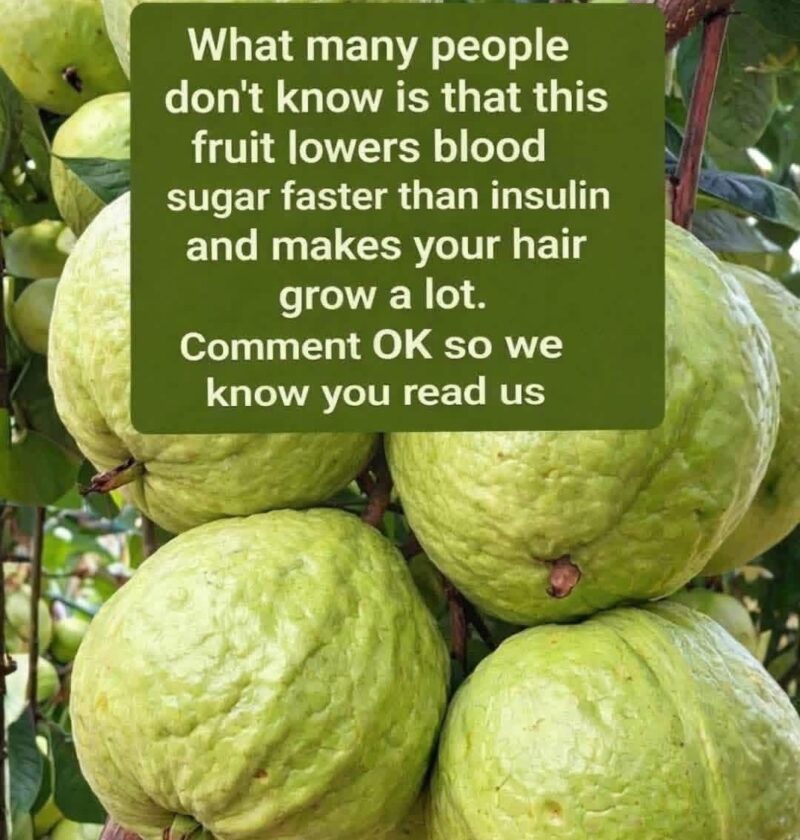
Guava Health Benefits: Facts vs. Myths
Guava is a delicious tropical fruit packed with vitamin C, fiber, and other important nutrients. Its sweet taste and impressive nutritional value make it a great addition to a balanced diet.
However, some social media posts exaggerate the health benefits of guava. Claims that it works faster than insulin, causes dramatic hair growth, or cures diseases can be misleading.
Let’s look at what guava can actually do for your health, what the science says, and how you can enjoy this nutritious fruit.
1. Guava and Blood Sugar: Fact vs. Fiction
The claim: Guava lowers blood sugar faster than insulin.
The reality: This claim is false. Insulin is a hormone that regulates blood glucose, and prescribed insulin is essential for many people with diabetes. No fruit can replace insulin or be relied on to lower blood sugar quickly and predictably.
The real benefit: Guava contains dietary fiber, which supports digestion and may help slow the absorption of carbohydrates. Whole guava can fit into a balanced eating plan for people with diabetes, but portion size and individual responses matter.
If you have diabetes, monitor your blood sugar as advised by your healthcare professional and continue taking prescribed medication.
2. Guava and Hair Growth
The claim: Eating guava makes your hair grow rapidly.
The reality: Guava cannot guarantee faster or thicker hair growth. Hair health depends on several factors, including genetics, hormones, overall nutrition, and medical conditions.
The real benefit: Guava is rich in vitamin C, which helps the body produce collagen and absorb iron from plant-based foods. Getting enough of these nutrients supports normal body functions, including those important for healthy hair and skin.
However, eating extra guava will not necessarily improve hair growth if you already get enough nutrients.
3. Why Guava Is a Nutritious Fruit
Guava offers several genuine nutritional benefits when included in a balanced diet.
Supports Normal Immune Function
Guava is an excellent source of vitamin C, which helps the immune system function normally. Vitamin C also supports wound healing and collagen production.
Supports Healthy Digestion
Guava contains dietary fiber, which helps maintain regular bowel movements and supports digestive health. Eating the fruit whole provides more fiber than drinking strained guava juice.
Supports Heart Health
Guava provides potassium, a mineral involved in normal muscle function and blood pressure regulation. Its fiber may also support healthy cholesterol levels as part of an overall balanced diet.
However, eating guava alone cannot prevent or treat heart disease.
Provides Antioxidants
Guava contains vitamin C and other plant compounds with antioxidant activity. Pink guava also contains lycopene, a natural pigment that gives certain fruits their reddish color.
These compounds contribute to the nutritional value of guava, but they should not be considered a cure for disease.
4. Guava Nutritional Chart
The following chart shows approximate nutrition for 100 grams of raw guava. Values can vary depending on the variety and ripeness.
| Nutrient | Approximate amount |
|---|---|
| Calories | 68 kcal |
| Carbohydrates | 14.3 g |
| Dietary fiber | 5.4 g |
| Natural sugars | 8.9 g |
| Protein | 2.6 g |
| Fat | 1.0 g |
| Vitamin C | 228 mg |
| Potassium | 417 mg |
| Calcium | 18 mg |
| Iron | 0.26 mg |
Guava is especially notable for its vitamin C and fiber content. It also provides some protein compared with many other fresh fruits.
Note: These values are estimates for raw guava, not guava juice or sweetened guava products.
5. Simple Ways to Enjoy Guava
You do not need complicated recipes to enjoy the benefits of this fruit.
- Eat it fresh: Wash the guava thoroughly and enjoy it whole or sliced.
- Add it to fruit salad: Combine guava with other seasonal fruits for a refreshing snack.
- Blend a smoothie: Blend guava with water or plain yogurt without adding extra sugar.
- Serve it with breakfast: Add sliced guava to oatmeal or enjoy it alongside eggs and whole-grain toast.
- Prepare homemade juice: If you prefer juice, avoid adding sugar and remember that whole fruit generally provides more fiber.
People with diabetes can often include whole guava in their meal plans, but they should consider their individual carbohydrate needs and blood glucose response.
Important Health Reminder
Guava is a nutritious food, not a medicine. It should not replace prescribed treatments for diabetes, high blood pressure, heart disease, or other medical conditions.
If you have kidney disease or have been advised to limit potassium, ask your healthcare professional or dietitian whether guava fits your dietary plan.
Final Thoughts
Guava deserves a place in a healthy diet because it provides vitamin C, fiber, potassium, and beneficial plant compounds. These nutrients support normal immune function, digestion, and overall health.
However, claims that guava replaces insulin or causes dramatic hair growth are not supported by good evidence.
The best approach is simple: enjoy fresh guava in reasonable portions, eat a variety of nutritious foods, and follow appropriate medical advice for any health condition.