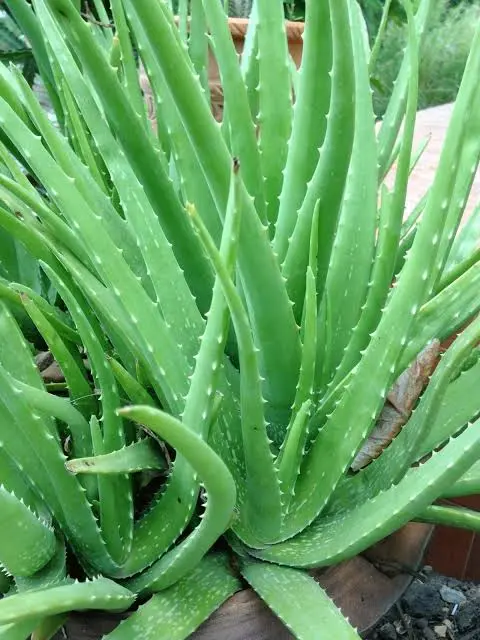
Nature offers many plants that have been used in traditional wellness routines for generations. One of the most popular is aloe vera, also known as aloe or sábila. This thick-leaved succulent is easy to recognize and is widely used in skincare, hair care, and some traditional remedies.
The clear gel inside its leaves contains water, plant compounds, and small amounts of vitamins and minerals. It is especially popular because of its cooling and moisturizing feel on the skin.
Aloe vera may offer some benefits for everyday care, but it is important to understand what it can and cannot do. It should not replace medical treatment, and not every traditional use has strong scientific evidence.
Here are 11 common concerns where aloe vera may offer some support.
1. Minor Burns and Sunburn
Aloe vera gel is commonly used to soothe skin after mild sun exposure or minor burns. Its cool, watery texture can provide temporary comfort and help moisturize dry skin.
For a mild sunburn, apply a thin layer of plain aloe vera gel to clean skin. Avoid using it on deep burns, serious blisters, or open wounds. Seek medical care for severe burns.
2. Acne and Blemish-Prone Skin
Aloe vera may help calm skin that feels irritated or looks red. Its lightweight texture also makes it a popular choice for people who prefer a non-greasy moisturizer.
Some skincare products combine aloe vera with other ingredients for acne-prone skin. However, aloe alone has not been proven to clear acne. If you have persistent or painful breakouts, consider speaking with a dermatologist.
3. Digestive Discomfort
Aloe vera drinks are sometimes promoted for digestive health, but drinking aloe is not risk-free. Products made from the whole leaf or its yellow latex can contain aloin, a compound that may cause stomach cramps and diarrhea.
There is not enough reliable evidence to recommend aloe vera as a treatment for heartburn, indigestion, or other digestive problems. If you experience frequent discomfort, speak with a healthcare professional instead of relying on aloe products.
4. Occasional Constipation
Aloe latex has traditionally been used as a laxative. However, it can cause painful cramps, diarrhea, dehydration, and changes in the body’s electrolyte levels.
For this reason, homemade aloe vera juice or latex should not be used to treat constipation. Safer options include drinking enough water, eating fibre-rich foods, and staying physically active. Ask a pharmacist or doctor if constipation continues.
5. Blood Sugar Support
Some early research has explored whether aloe vera may affect blood sugar levels in people with type 2 diabetes. However, the evidence is still limited, and aloe vera is not an established diabetes treatment.
People taking diabetes medication should be especially careful with aloe supplements because they may affect blood sugar levels. Never reduce or stop prescribed medication without medical advice.
6. Healthy Cholesterol Levels
A few small studies have examined the possible effects of aloe vera on cholesterol and triglyceride levels. However, the results are not strong enough to recommend aloe as a way to manage cholesterol.
A balanced diet, regular physical activity, and prescribed treatment remain much more reliable ways to support heart health.
7. Blood Pressure and Heart Health
Aloe vera contains small amounts of minerals, including potassium and magnesium. However, eating or applying aloe vera has not been proven to control high blood pressure.
For better heart health, focus on a balanced diet, regular exercise, good sleep, and following your healthcare professional’s advice.
8. Dry and Irritated Skin
One of the best-known uses of aloe vera is skin moisturizing. Its gel contains a high amount of water and can leave the skin feeling cool and refreshed.
Some people use it for mild dryness, itching, and temporary skin irritation. However, aloe vera may cause an allergic reaction in certain individuals. Test a small amount on your skin before applying it to a larger area.
If you have eczema, a severe rash, or an infection, seek appropriate medical advice.
9. Skin Hydration and Signs of Aging
Aloe vera is often included in creams, lotions, and facial gels because it helps moisturize the skin. Well-hydrated skin can look softer and smoother.
It also contains plant antioxidants, but there is limited evidence that applying aloe vera can prevent wrinkles or significantly increase collagen production. For long-term skin protection, daily sunscreen and a suitable skincare routine are more dependable choices.
10. Hair and Scalp Care
Aloe vera gel is sometimes used as a hair and scalp moisturizer. Its smooth texture makes it easy to spread through the hair, and some people find it helpful for reducing the feeling of dryness.
It may also help loosen small flakes caused by a dry scalp. However, there is not enough strong evidence that aloe vera can stop hair loss or treat dandruff. Persistent itching, redness, or flaking may need a medicated shampoo or professional advice.
11. Mouth Ulcers and Gum Comfort
Some oral-care products contain aloe vera because of its soothing properties. A few small studies have explored aloe-based mouth products for oral irritation, but more research is needed.
Do not apply raw aloe latex or homemade leaf preparations inside your mouth. If you have frequent mouth ulcers, bleeding gums, or pain that does not improve, visit a dentist.
Homemade Fresh Aloe Vera Gel Recipe
If you have an aloe vera plant at home, you can prepare a simple gel from its leaves. This homemade version is intended for external use on the skin. It is not a sterile skincare product and should not be eaten or used to treat medical conditions.
Ingredients
- 1 large, healthy aloe vera leaf
- 1 clean knife
- 1 spoon
- 1 clean bowl
- 1 blender (optional)
- 1 clean glass jar with a lid
- Clean water for washing
Instructions
Step 1: Choose a Healthy Aloe Leaf
Select a thick, mature aloe vera leaf from a healthy plant. Avoid leaves that look damaged, rotten, or diseased.
Wash your hands before handling the leaf.
Step 2: Wash the Leaf
Rinse the aloe leaf under clean running water to remove dirt and dust. Pat it dry with a clean towel.
Step 3: Drain the Yellow Sap
Cut the base of the leaf and place it upright in a bowl for about 15–30 minutes. This allows some of the yellow latex to drain out.
The yellow sap contains aloin, which can irritate the skin and cause serious digestive side effects if swallowed.
Step 4: Remove the Outer Skin
Place the leaf on a clean cutting board. Carefully trim away the sharp edges and slice off the green outer skin with a clean knife.
Do not scrape the yellow layer close to the skin. Remove only the clear inner gel.
Step 5: Collect the Clear Gel
Use a clean spoon to scoop the transparent gel into a bowl. Check it carefully and remove any green skin or yellow residue.
Step 6: Blend Until Smooth
If you prefer a smoother texture, place the clear gel in a clean blender and blend for a few seconds.
Blending is optional. You can also use the gel directly if its texture is already smooth.
Step 7: Transfer to a Clean Jar
Spoon the gel into a clean, airtight container. Close the lid and place it in the refrigerator immediately.
Because homemade aloe gel contains no preservative and is not sterile, prepare a small amount and use it promptly. Discard it if its smell, colour, or texture changes.
How to Apply Aloe Vera Gel
- Wash the area of skin where you want to apply the gel.
- Take a small amount with clean fingers or a clean spoon.
- Spread a thin layer over the skin.
- Leave it on for around 10–15 minutes if you are using it as a simple skin mask.
- Rinse with cool water if desired.
- Stop using it if you notice redness, burning, itching, or swelling.
Before your first full application, test a small amount on a small area of skin and wait 24 hours to check for irritation.
Tips for Better Results
- Use only the clear inner gel.
- Avoid the yellow sap and green outer skin.
- Always use clean tools and containers.
- Do not apply homemade gel to deep burns, open wounds, or infected skin.
- Avoid the eye area.
- Do not add lemon juice, baking soda, or other irritating ingredients.
- Do not assume homemade aloe gel is suitable for every skin type.
Storage Instructions
Keep homemade aloe vera gel in a clean, airtight container in the refrigerator. Since it has no preservative, it can spoil quickly. Make small batches, use them within a few days as a cautious home-use guideline, and throw away any gel that develops an unusual smell, colour, or texture.
Freezing small portions is another option, but it does not make the gel sterile.
Important Safety Precautions
Aloe vera is not suitable for every person or every purpose.
- Do not drink homemade aloe vera gel or use aloe latex as a laxative.
- Avoid oral aloe products during pregnancy or breastfeeding unless a healthcare professional advises otherwise.
- Be cautious with aloe supplements if you take diabetes medication or other regular medicines.
- Stop using aloe if it causes an allergic reaction.
- Do not use aloe vera instead of prescribed treatment for diabetes, high blood pressure, high cholesterol, or digestive conditions.
- If you are unsure whether an aloe product is safe, ask a healthcare professional.
Frequently Asked Questions
Can I apply fresh aloe vera gel to my face every day?
Some people tolerate plain aloe gel well, but daily use is not necessary for everyone. Start with a small amount and stop if you notice irritation.
Can aloe vera help with sunburn?
It may provide a cooling and moisturizing effect for mild sunburn. Cool compresses, drinking water, and avoiding further sun exposure are also helpful. Seek medical care for severe blistering or other serious symptoms.
Does aloe vera help hair grow faster?
There is not enough reliable evidence to show that aloe vera makes hair grow faster. It may help moisturize the scalp, but it is not a proven hair-loss treatment.
Is it safe to drink fresh aloe vera gel?
Homemade aloe preparations can contain traces of latex and aloin, even when the leaf is carefully prepared. These substances can cause digestive problems. It is safer not to drink homemade aloe preparations.
How long does homemade aloe vera gel last?
Homemade gel spoils more quickly than commercial products because it contains no preservatives. Keep it refrigerated, make small batches, and discard it within a few days or sooner if it changes in appearance or smell.
Final Thoughts
Aloe vera is a useful plant with a long history in traditional skincare. Its clear gel can help moisturize the skin and provide a refreshing feeling after mild irritation or sun exposure.
However, it is important to separate traditional uses from proven medical benefits. Aloe vera should not be considered a cure for serious health problems or a replacement for professional care. When used carefully and only for suitable purposes, it can be a simple addition to an everyday skincare routine.