
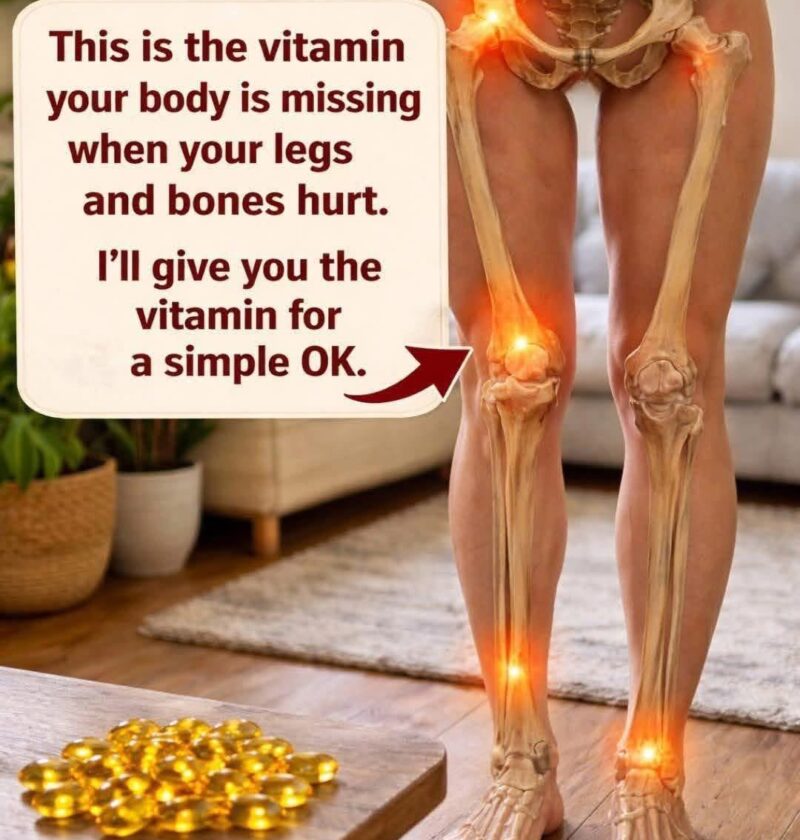
However, vitamin D deficiency is only one possible cause of bone and leg pain. Understanding the symptoms, risk factors, and appropriate treatment options can help you make better decisions about your health.
What Is the Role of Vitamin D in the Body?
Vitamin D is an essential nutrient that supports several important functions, including:
-
- Strong bones and teeth: It helps your body absorb calcium, which is necessary for maintaining healthy bones.
-
- Normal muscle function: Adequate vitamin D levels help muscles function properly.
-
- Bone mineralization: Vitamin D helps the body maintain the minerals needed for strong bones.
-
- Immune system function: It contributes to the normal functioning of the immune system.
When vitamin D levels remain too low for an extended period, bones can become weak. Severe deficiency in adults may lead to a condition called osteomalacia, which can cause bone pain, tenderness, and muscle weakness.
Can Vitamin D Deficiency Cause Leg and Bone Pain?
Yes, significant vitamin D deficiency can contribute to muscle aches, weakness, and bone discomfort. Some people may experience symptoms in their legs, hips, lower back, or other parts of the body.
However, leg pain does not automatically mean you have a vitamin D deficiency. Other possible causes include:
-
- Muscle strain or overuse
-
- Arthritis and other joint problems
-
- Nerve irritation or compression
-
- Injuries and tendon problems
-
- Circulation-related conditions
-
- Other nutritional deficiencies or medical conditions
If your pain continues, worsens, or interferes with daily activities, consult a healthcare professional to identify the underlying cause.
Who Is at Risk of Vitamin D Deficiency?
Some people have a higher risk of developing low vitamin D levels, including:
-
- People who spend most of their time indoors
-
- Older adults
-
- People with darker skin pigmentation
-
- Individuals with digestive conditions that affect nutrient absorption
-
- People with certain medical conditions affecting vitamin D metabolism
-
- Those who consume very little vitamin D through their diet
Foods that provide vitamin D include fatty fish, egg yolks, and certain fortified foods, such as milk or plant-based milk alternatives.
Safe sunlight exposure may also help the body produce vitamin D, but excessive ultraviolet exposure can damage the skin and increase the risk of skin cancer.
How Can You Tell If You Have a Vitamin D Deficiency?
Symptoms alone cannot reliably confirm vitamin D deficiency. Some people have low levels without noticeable symptoms, while others experience bone or muscle pain for unrelated reasons.
A healthcare professional may recommend a blood test called 25-hydroxyvitamin D to assess your vitamin D status when testing is appropriate.
If a deficiency is identified, your healthcare professional can recommend a suitable treatment plan based on your test results, age, health history, and individual needs.
Should You Take Vitamin D Supplements for Bone Pain?
Vitamin D supplements can help correct a deficiency when they are needed. However, taking supplements without knowing the cause of your pain may not provide relief.
Avoid taking high doses of vitamin D without medical guidance. Because vitamin D is fat-soluble, excessive intake can lead to a buildup in the body and cause toxicity.
Too much vitamin D can raise calcium levels in the blood, potentially causing nausea, weakness, excessive thirst, frequent urination, and kidney problems.
The safest approach is to follow appropriate medical advice regarding the dose and duration of supplementation.
Vitamin D and Calcium: A Powerful Partnership for Bone Health
Vitamin D and calcium work together to maintain healthy bones. Calcium provides the minerals needed for bone structure, while vitamin D helps your body absorb calcium from food.
You can support your bone health through several everyday habits:
-
- Eat a balanced diet rich in essential nutrients.
-
- Include calcium-rich foods such as dairy products, fortified alternatives, and certain leafy green vegetables.
-
- Consume vitamin D-containing foods, including fatty fish and fortified products.
-
- Engage in regular weight-bearing activities, such as walking, when appropriate for your health.
-
- Maintain adequate protein intake.
-
- Avoid smoking and limit excessive alcohol consumption.
Depending on your dietary intake and individual circumstances, supplements may be helpful if recommended by a healthcare professional.
Other Possible Causes of Leg and Bone Pain
Although vitamin D deficiency can contribute to discomfort, it is important to consider other explanations for persistent pain.
Muscle soreness, joint inflammation, tendon problems, nerve conditions, injuries, and circulation problems can all cause symptoms in the legs.
Seek urgent medical attention if you develop sudden, severe pain or pain accompanied by significant swelling, redness, warmth, or unusual weakness. Sudden swelling and pain in one leg, especially with warmth or redness, may indicate a blood clot. If leg symptoms occur alongside chest pain or shortness of breath, seek emergency medical care.
Persistent or unexplained pain should be evaluated rather than treated with vitamins alone.
Final Thoughts
Vitamin D plays an important role in maintaining healthy bones, supporting muscle function, and helping the body absorb calcium. A significant deficiency can contribute to bone pain and muscle weakness, but not every episode of leg discomfort is caused by low vitamin D.
The best approach is to identify the reason for your symptoms and seek appropriate treatment. If vitamin D deficiency is suspected, a healthcare professional can determine whether testing and supplementation are necessary.
Remember, maintaining healthy bones involves more than taking a supplement. A balanced diet, regular physical activity, adequate calcium and vitamin D, and appropriate medical care all contribute to long-term bone health.
Disclaimer: This article is for educational purposes only and is not a substitute for professional medical advice, diagnosis, or treatment. Consult a qualified healthcare professional if you have persistent bone pain, muscle weakness, or concerns about vitamin D deficiency.