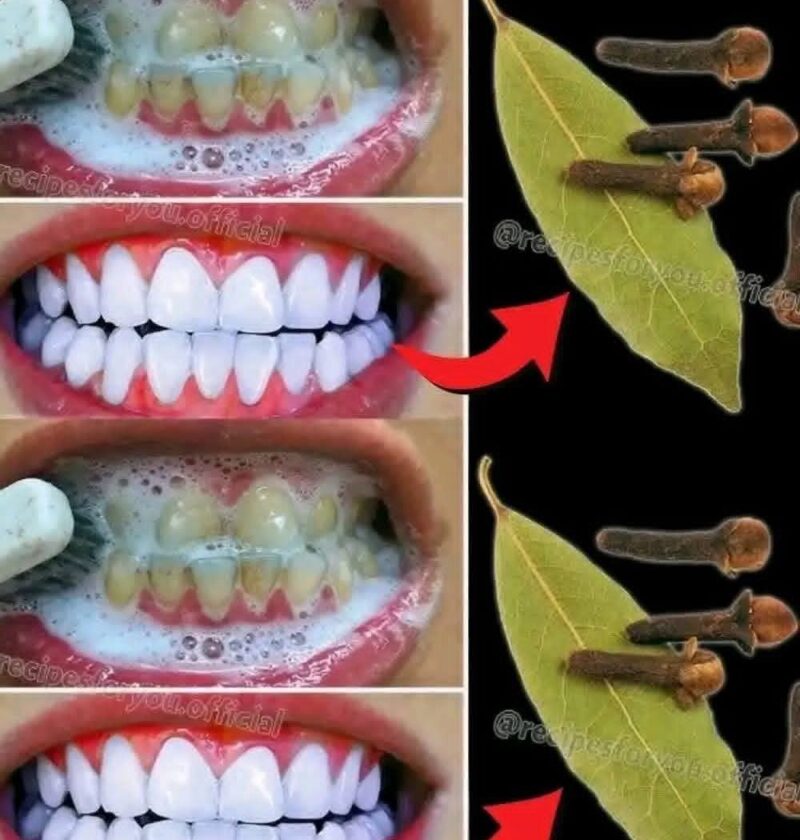
Homemade teeth-whitening remedies are becoming popular online. One viral trick involves mixing ground bay leaves, clove powder, and regular toothpaste to make teeth look cleaner and brighter.
But does this natural mixture really whiten teeth? There is no strong clinical evidence that this homemade remedy safely whitens teeth. In fact, using rough powders on your teeth may irritate your gums or cause unnecessary wear if the mixture is abrasive.
Before trying this trend, it is important to understand what these ingredients can and cannot do.
What Is the Bay Leaf and Clove Whitening Trick?
This DIY remedy usually combines three ingredients:
- Ground bay leaves: Dried bay leaves crushed into a fine powder.
- Clove powder: Ground cloves known for their strong aroma and natural compounds.
- Regular toothpaste: Used as the base for the homemade mixture.
The ingredients are mixed together and brushed onto the teeth. Online posts often claim that this method removes yellow stains and makes teeth noticeably whiter.
However, a recipe becoming popular online does not mean it has been scientifically tested or proven safe.
Why You Should Be Careful With Homemade Tooth Powders
1. They May Wear Down Tooth Enamel
Tooth enamel is the hard outer layer that protects your teeth. Some homemade powders contain particles that may be too rough for regular brushing.
Repeatedly scrubbing your teeth with abrasive ingredients, especially while brushing too hard, may contribute to enamel wear.
Enamel does not grow back after it is permanently lost. When it becomes thinner, the naturally yellowish layer underneath, called dentin, may become more visible. This can make teeth look more yellow instead of whiter.
2. They May Irritate Your Gums
Ground herbs and spices can contain particles that irritate sensitive gum tissue. Rubbing these ingredients against your gums may cause redness, tenderness, or discomfort.
Cloves contain eugenol, a compound used in some dental preparations. However, concentrated clove products can irritate or damage oral tissues when used improperly. This does not mean that brushing with clove powder is a safe or effective whitening treatment.
3. They Do Not Have Proven Bleaching Effects
There is a difference between removing surface stains and changing the natural color of your teeth.
Coffee, tea, tobacco, and certain foods can stain the outer surface of teeth. Toothpastes formulated for stain removal may help reduce some of these stains.
However, bay leaf and clove powder are not established tooth-bleaching ingredients. You should not expect this homemade mixture to change the underlying color of your teeth.
What Are the Benefits of Bay Leaves and Cloves for Oral Health?
Bay leaves and cloves contain natural compounds that researchers have studied for their potential antioxidant and antimicrobial properties.
However, laboratory findings do not prove that brushing with these ingredients improves oral health in humans. They also do not establish that a homemade mixture can whiten teeth, prevent cavities, or treat gum disease.
For healthy teeth and gums, established dental-care practices remain the better choice.
Safer Ways to Keep Your Teeth Clean and Bright
You do not need a complicated homemade recipe to maintain a healthy smile. A simple daily routine can help prevent stains and protect your teeth.
- Brush twice daily: Use a fluoride toothpaste to help protect against tooth decay.
- Choose a soft-bristled toothbrush: It helps clean your teeth while reducing unnecessary irritation.
- Brush gently: Avoid aggressive scrubbing, which can damage your gums and contribute to tooth wear.
- Clean between your teeth: Use dental floss or another suitable interdental cleaner every day.
- Reduce frequent exposure to staining drinks: Coffee and tea can contribute to surface stains over time.
- Visit your dentist regularly: Professional cleaning can remove certain surface stains and hardened plaque.
- Choose proven whitening products: If you want a noticeably whiter smile, ask your dentist about suitable whitening treatments.
Homemade Whitening Ingredients to Avoid
Be cautious with viral dental recipes that recommend:
- Rough or unrefined plant powders
- Lemon juice or other highly acidic ingredients
- Vinegar applied directly to teeth
- Undiluted essential oils
- Aggressive scrubbing with homemade mixtures
Acidic substances can weaken enamel through erosion, while abrasive ingredients may physically wear down the tooth surface. Combining these approaches can create more problems than benefits.
Frequently Asked Questions
Can bay leaves whiten teeth naturally?
There is no good clinical evidence that ground bay leaves safely whiten teeth. They should not replace fluoride toothpaste or proven whitening methods.
Does clove powder remove yellow stains?
Clove powder is not an established tooth-whitening treatment. It should not be relied on to remove stains or bleach teeth.
Can I mix bay leaf and clove powder with toothpaste?
It is better to avoid this mixture. The abrasiveness of homemade powders is unpredictable, and they may irritate your gums or contribute to unnecessary tooth wear.
Why do my teeth look yellow even when I brush regularly?
Natural tooth color varies from person to person. Dentin beneath the enamel has a yellowish color, and age, thinning enamel, surface stains, and other dental factors can affect how your teeth look. A dentist can help identify the cause.
What is the safest way to whiten teeth?
Start with good daily oral hygiene and consult a dentist about properly formulated whitening products or professional treatments. The best option depends on your teeth, gums, existing dental work, and the cause of discoloration.
Final Thoughts
The bay leaf, clove powder, and toothpaste trick may sound like an easy, natural way to brighten your smile, but it has not been proven to safely whiten teeth. Repeatedly brushing with homemade powders may cause gum irritation or unnecessary enamel wear without delivering the promised results.
For a cleaner, healthier smile, stick to fluoride toothpaste, gentle brushing, daily cleaning between your teeth, and regular dental checkups. If you want a noticeable change in tooth color, ask your dentist about evidence-based whitening options rather than experimenting with abrasive homemade mixtures.