Soft & Fluffy Gluten-Free Sourdough Bread
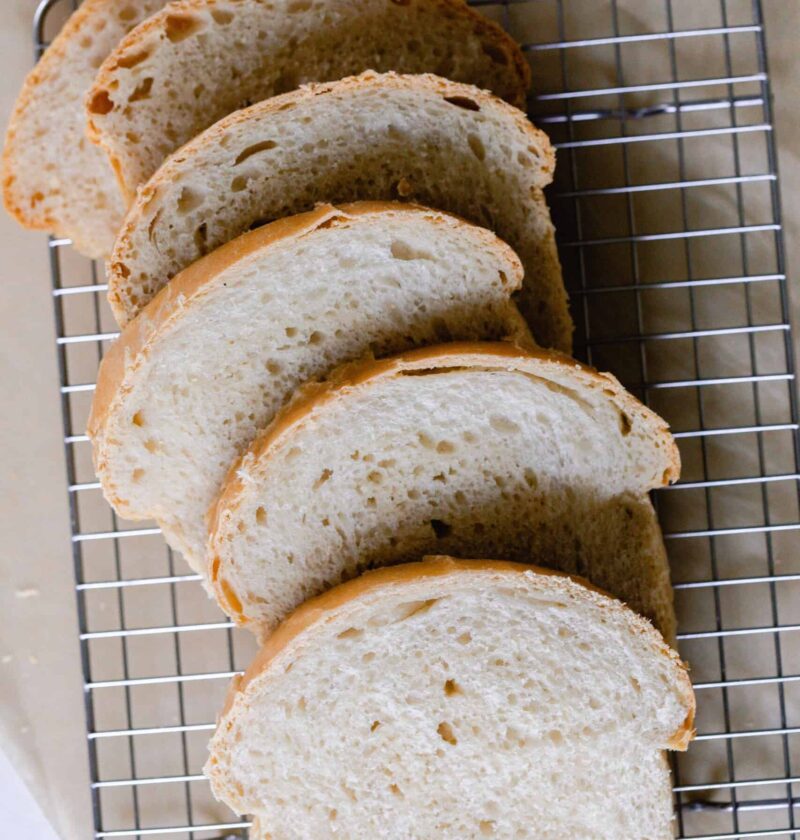
After years of experimenting with gluten-free sourdough bread, I’m thrilled to share my ultimate recipe: a large loaf with a fluffy crumb and a soft crust! It is a same-day recipe with only one round of fermentation. For burgers with the same texture,
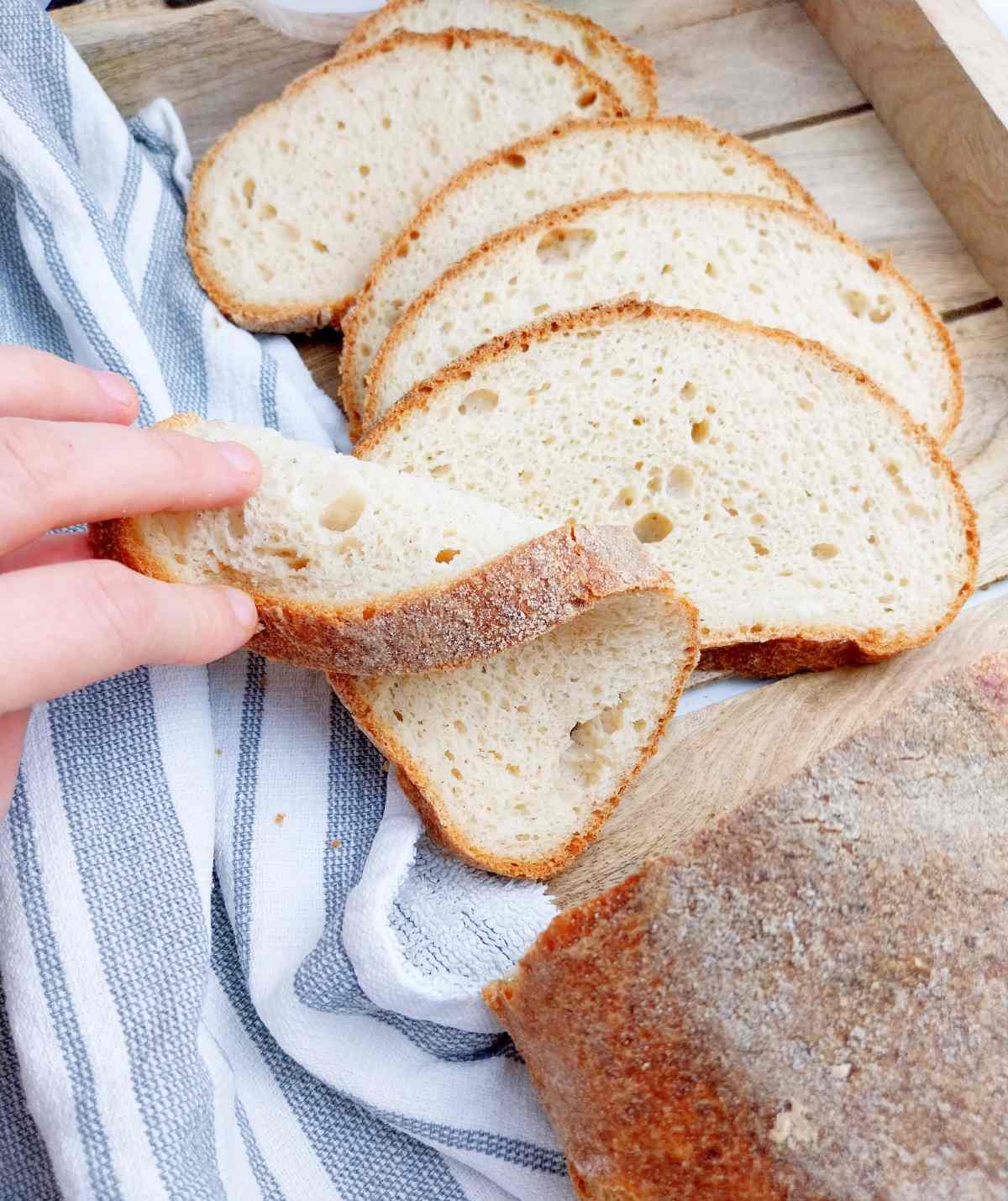
This is my 8th sourdough bread recipe on this blog and is the best one yet! For the longest time, I created vegan recipes with pretty much only flour, water, and salt like these sourdough baguettes, sourdough bagels, and fermented soft pretzels but recently I’ve discovered the power of eggs and dairy in gluten-free bread.
I love how they create a soft and fluffy texture in sourdough dinner rolls, squishy fermented hamburger buns, and, of course, this large loaf of fluffy sourdough bread. These ingredients enrich the dough and assist in creating the perfect structure and texture!
What is gluten-free sourdough?
Gluten-free sourdough is made without store-bought yeast, using a homemade gluten-free starter to naturally leaven the dough and impart a sour flavor.
A starter is essentially made with flour and water over a couple of weeks. I like using my brown rice starter in most recipes but a sorghum starter, millet flour starter, buckwheat, and teff starters are also great for gluten-free sourdough baking.
Gluten-free sourdough is traditionally baked in a Dutch oven, though it can also be made in a bread pan, which may alter the texture and make the bread dens
Finally, a sourdough bread which is super easy, very tasty with healthy ingredients! I’m still in awe of how beautiful my loaf looks. Thank you for sharing your recipe and accompanying instructions/tips.
Helpful tools
A digital kitchen scale is highly recommended for all of my gluten-free recipes for the best results! Volume measurements are not always consistent.
A Dutch oven is necessary to make this recipe perfectly. However, you can use a cast iron skillet or pizza stone with a dish of water in the bottom of the oven to create steam. If you don’t have cast iron, bake the loaf on a baking sheet with parchment and add a dish with water to the bottom of the oven.
Banneton baskets are not necessary but they allow the dough to breathe and create a nice shape and pattern. You can use a mixing bowl lined with a kitchen towel instead.
An electric mixer is highly recommended for mixing the dough to create a smooth texture. You can, however, mix the dough by hand or with a wooden spoon.
A bread lame or a sharp razor are helpful to score the dough without pressing it down too much.
A cooling rack is extremely helpful for cooling down the bread. You need to make sure there is airflow on all sides of the loaf!
the best flour for sourdough
Buckwheat, millet, brown rice, sorghum, and teff are hands down the best flour types for gluten-free sourdough. However, you need to add starches (tapioca, arrowroot, potato, or cornstarch) to avoid a heavy and dense loaf.
I do, however, have sourdough recipes without starches:
Ingredients & substitutes
See the recipe card for quantities.

- Gluten-free sourdough starter – you need an active starter at least 2 weeks old and fed in the last 24 hours. You can use any type of starter (sorghum starter, millet, buckwheat, brown rice, teff, etc.) If you don’t have one, learn how to make a starter at home!
An active starter is a starter that has been fed in the last 24 hours and bubbles up consistently after feedings. Almond, coconut, and potato flakes starters are not strong enough for bread! - Sorghum flour – adds protein, nutrition, and substance to the bread. You can use brown rice flour instead.
- Tapioca starch – adds chewiness, flexibility, and softness to the crumb. You can use arrowroot starch instead
- Potato starch – balances out the chewiness of tapioca and adds lightness to the loaf. Cornstarch can be used instead.
- Xanthan gum – adds softness and fluffiness to the crumb, you can use guar gum instead. Don’t leave this ingredient out!
- Psyllium husk – retains moisture, contributes to the bread-like texture, and helps hold the structure of the bread together. Unfortunately, none of the psyllium alternatives will work in this recipe!Psyllium husk and xanthan gum are often used in combination to create a soft and fluffy crumb and keep the structure of baked goods strong.
- Eggs – contribute to the soft crust, add protein, and aid in holding the structure of the bread. I haven’t tested this recipe with vegan egg substitutes.
- Oil – contributes to the soft crust, the texture of the crumb, and the overall flavor. Sunflower, coconut, or any other neutral oil can be used.
- Milk – softens the crumb and adds flavor. Use plant-based milk for a dairy-free version.
- Baking powder – assist the oven spring during baking. Don’t substitute with baking soda.
Sugar – feeds the starter bacteria. You can use honey/maple syrup instead or leave this ingredient out.
Variations
- Cheddar jalapeno sourdough – add about 60g cheddar and 40g jalapenos to the dough.
- Cinnamon raisin loaf – add ¼ cup of brown sugar, ½ cup of raisins, and 1-2 tablespoon of cinnamon.
- Chocolate sourdough – add ¼ cup brown sugar, ¼ cup cocoa powder, and chocolate chips to taste.
Step-by-step instructions
Step 1
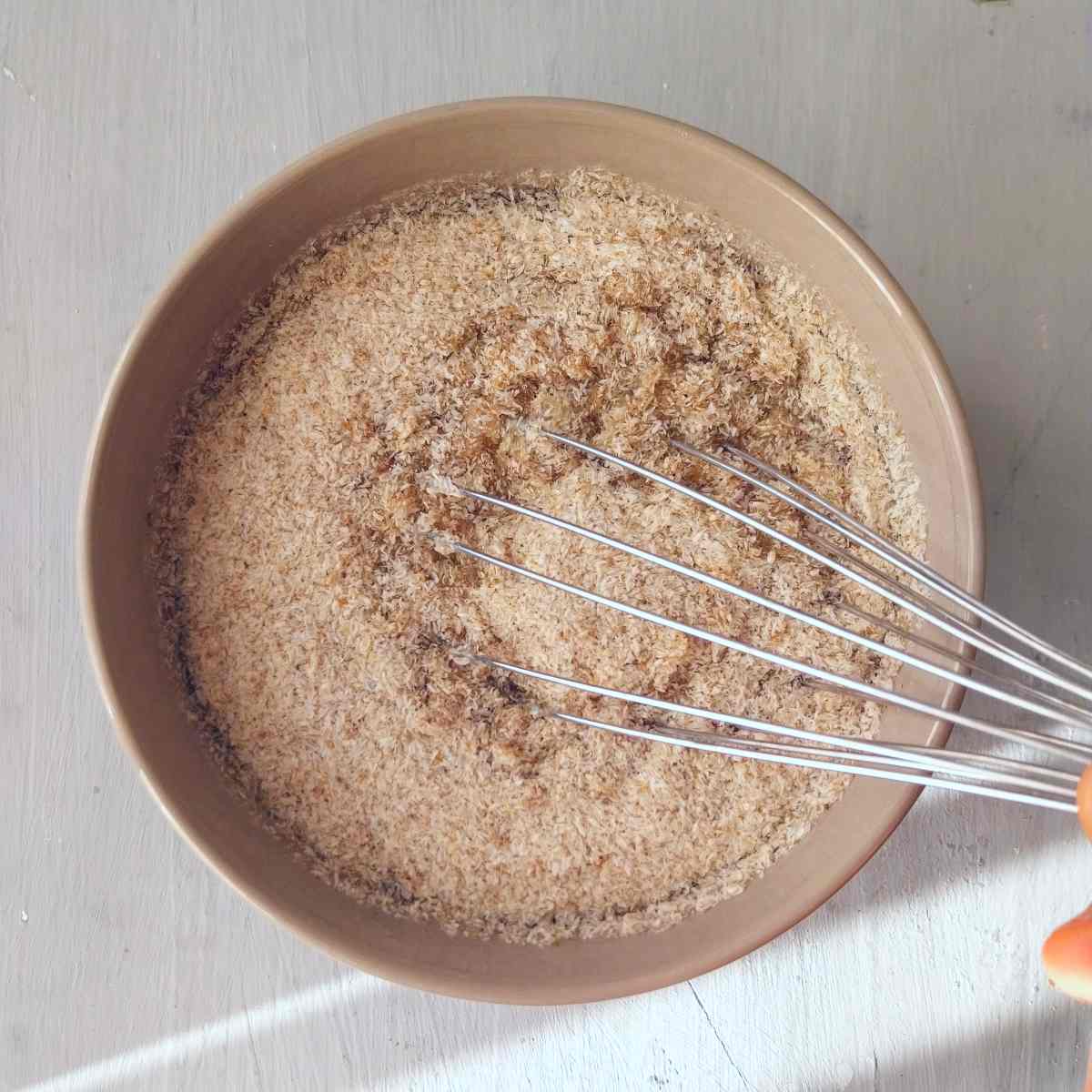
Add water and psyllium husk to a medium-sized bowl and whisk to incorporate.
Set the bowl aside to let the psyllium gel form (2 min).
Step 2

In a large mixing bowl combine all of the dry ingredients including sugar and whisk thoroughly to incorporate.
Step 3

Finally, add all the wet and dry ingredients together and mix using an electric mixer with dough hooks.
I recommend mixing for at least 5 minutes to ensure a smoother dough.
Alternatively, you can mix with hands or a wooden spoon but the loaf might turn out less smooth on the top.
The dough will be very sticky but don’t add any extra flour to it!
Step 4
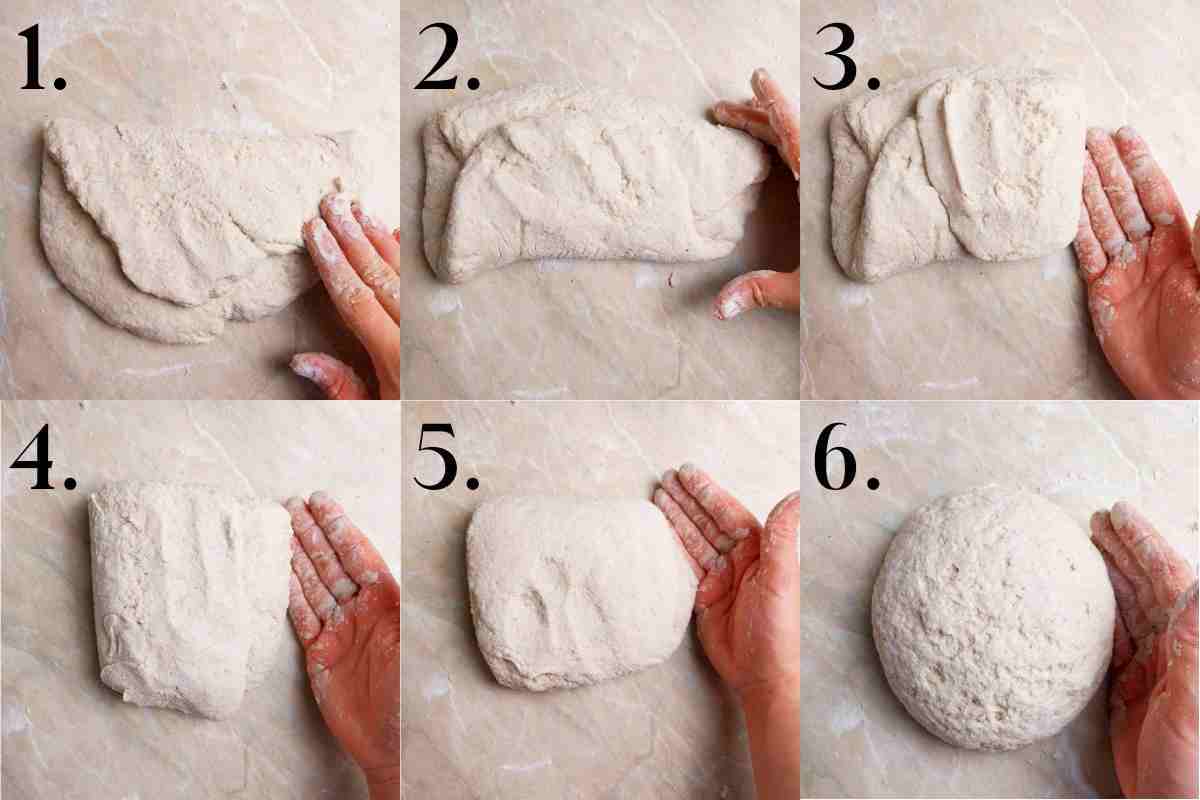
Turn the dough onto a floured working surface and shape into a ball. Grease your hands with some oil to prevent sticking or use extra flour for dusting.
I like my bread in a batard shape better but you can bake it as a boule, too.
You don’t need to stretch and fold gluten-free bread because there is no gluten to be developed!
Step 3

Dust a banneton basket with flour or use a mixing bowl lined with a dusted kitchen towel.
Turn the dough inside down into the basket/bowl and press it in to create a flat surface.
Cover the dough and leave to proof for 5-7 hours or overnight (12-18h) in the refrigerator.
The dough will puff up some but it won’t double in size, that is okay!
I recommend proofing at about 75F/24C for the best results. Alternatively, you can place the dough in the oven with the light on. The poke test, unfortunately, doesn’t work with gluten-free sourdough.
Step 4

The dough will puff up some but it won’t double in size, that is okay!
Carefully turn the dough over onto a piece of parchment paper and score. Scoring means cutting the top of the dough with a sharp razor to create a pattern and aid the oven spring.
Oven spring is the rising process during the first part of baking.
Then, gently lower the parchment with the loaf into a cold Dutch oven, close the lid, and transfer to a cold oven.
Start preheating the oven to 450F/230C and once preheated, start the timer for 40 minutes.
After the first 40 minutes, take the lid off the Dutch oven, lower the temperature to 350F/175C, and bake for an additional 30 minutes.
Starting with a cold oven is not common but it works just as great!
Once the bread is done, transfer it to a cooling rack and let it sit until no longer warm to the touch. Slice with a serrated knife and enjoy!

Storage
- The bread will keep for 3-4 days at room temperature in a bread box or a textile bag. But I prefer to freeze my bread because sometimes it will get moldy in a bread box.
- To freeze, slice the bread and line the slices with parchment paper to prevent sticking, then transfer them to a freezer bag. Keep for 3-4 months.
- To defrost, simply pop the slices into a microwave for a couple of minutes!
Expert tips
- Score the dough deep (0.5-1in/1-2cm) if making one cut and do shallow cuts if creating a more elaborate pattern.
- Place a couple of foil rings in the bottom of your Dutch oven to prevent bread from burning.

- Proof the bread overnight for a more sour flavor.
Troubleshooting
- Large hole between the top crust and the crumb – this is a sure sign of overproofing. Next time bake the bread a bit sooner!
- Dense crumb could be due to underproofing, using a different type of flour, or substituting ingredients.
- Gumminess happens when you underbake or underproof your bread. It also might happen if you play around with ingredients and don’t follow the recipe exactly.
- The bottom of the bread burns – refer to the section above to see how I solve that issue in my Dutch oven.
Baking timeline
Room temperature proofing:
- Feed your starter the night before (the later the better).
- 8 am – mix & proof the dough.
- 1-2 pm – bake according to instructions.
Overnight proofing:
- Feed your starter in the morning when you wake up.
- Mix the dough before going to sleep or in the late afternoon.
- Ferment the dough overnight in the refrigerator for 12-18 hours and bake in the morning according to instructions.
Soft & Fluffy Gluten-Free Sourdough Bread
This is my ultimate gluten-free sourdough that has a soft crust, fluffy crumb, and is larger than an average gluten-free loaf!
A Dutch oven, a cast iron skillet, pizza stone, or baking sheet could be used instead but not recommended.
Instructions
-
-
Add water and psyllium husk to a medium-sized bowl and whisk to incorporate.
Set the bowl aside to let the psyllium gel form (2 min).
20 grams whole psyllium husks,260 grams water, -
In a large mixing bowl combine all of the dry ingredients including sugar and whisk thoroughly to incorporate.130 grams tapioca starch, ,100 grams potato starch,,170 grams sorghum flour,,15 grams sugar,7 grams xanthan gum, ,8 grams baking powder,,12 grams sea salt
-
Finally, add all the wet and dry ingredients together and mix using an electric mixer with dough hooks.120 grams milk, ,2 large-medium eggs,,50 grams sunflower oil,,60 grams gluten-free sourdough starter,
-
-
I recommend mixing for at least 5 minutes to ensure a smoother dough.
Alternatively, you can mix with hands or a wooden spoon but the loaf might turn out less smooth on the top.
The dough will be very sticky but don’t add any extra flour to it!
-
Turn the dough onto a floured working surface and shape into a ball. Grease your hands with some oil to prevent sticking or use extra flour for dusting.
I like my bread in a batard shape better but you can bake it as a boule, too.
-
Dust a banneton basket with flour or use a mixing bowl lined with a dusted kitchen towel.
Turn the dough inside down into the basket/bowl and press it in to create a flat surface.
Cover the dough and leave to proof for 5-7 hours or overnight (12-18h) in the refrigerator.
I recommend proofing at about 75F/24C for the best results. Alternatively, you can place the dough in the oven with the light on. The poke test, unfortunately, doesn’t work with gluten-free sourdough.
-
The dough will puff up some but it won’t double in size, that is okay!
Carefully turn the dough over onto a piece of parchment paper and score. Scoring means cutting the top of the dough with a sharp razor to create a pattern and aid the oven spring.
-
Then, gently lower the parchment with the loaf into a cold Dutch oven, close the lid, and transfer to a cold oven.
Start preheating the oven to 450F/230C and once preheated, start the timer for 40 minutes.
After the first 40 minutes, take the lid off the Dutch oven, lower the temperature to 350F/175C, and bake for an additional 30 minutes.
-
Once the bread is done, transfer it to a cooling rack and let it sit until no longer warm to the touch. Slice with a serrated knife and enjoy!
Notes
Storage
-
- The bread will keep for 3-4 days at room temperature in a bread box or a textile bag. But I prefer to freeze my bread because sometimes it will get moldy in a bread box.
-
- To freeze, slice the bread and line the slices with parchment paper to prevent sticking, then transfer them to a freezer bag. Keep for 3-4 months.
-
- To defrost, simply pop the slices into a microwave for a couple of minutes!
xpert tips
-
- Place a couple of foil rings in the bottom of your Dutch oven to prevent bread from burning.
Proof the bread overnight for a more sour flavor.
Troubleshooting
-
- Large hole between the top crust and the crumb – this is a sure sign of overproofing. Next time bake the bread a bit sooner!
-
- Dense crumb could be due to underproofing, using a different type of flour, or substituting ingredients.
-
- Gumminess happens when you underbake or underproof your bread. It also might happen if you play around with ingredients and don’t follow the recipe exactly.
-
- The bottom of the bread burns – refer to the section above to see how I solve that issue in my Dutch oven.
Baking timeline
Room temperature proofing:
-
- Feed your starter the night before (the later the better).
-
- 8 am – mix & proof the dough.
-
- 1-2 pm – bake according to instructions.
Overnight proofing:
-
- Feed your starter in the morning when you wake up.
-
- Mix the dough before going to sleep or in the late afternoon.
-
- Ferment the dough overnight in the refrigerator for 12-18 hours and bake in the morning according to instructions.
Nutrition
Serving: 3big slices Calories: 620kcal Carbohydrates: 101.3g Protein: 13g Fat: 19.6gSaturated Fat: 3.2gCholesterol: 188mgSodium: 1299mgPotassium: 312mgFiber: 10.8gSugar: 6.6gCalcium: 158mgIron: 4mg- Score the dough deep (0.5-1in/1-2cm) if making one cut and do shallow cuts if creating a more elaborate pattern.
-
- To defrost, simply pop the slices into a microwave for a couple of minutes!